- Throttle Life Daily
- Posts
- What Motorcycle Jacket Should You Buy?
What Motorcycle Jacket Should You Buy?
How to Buy the Correct Gear

David Nagel
December 03, 2025
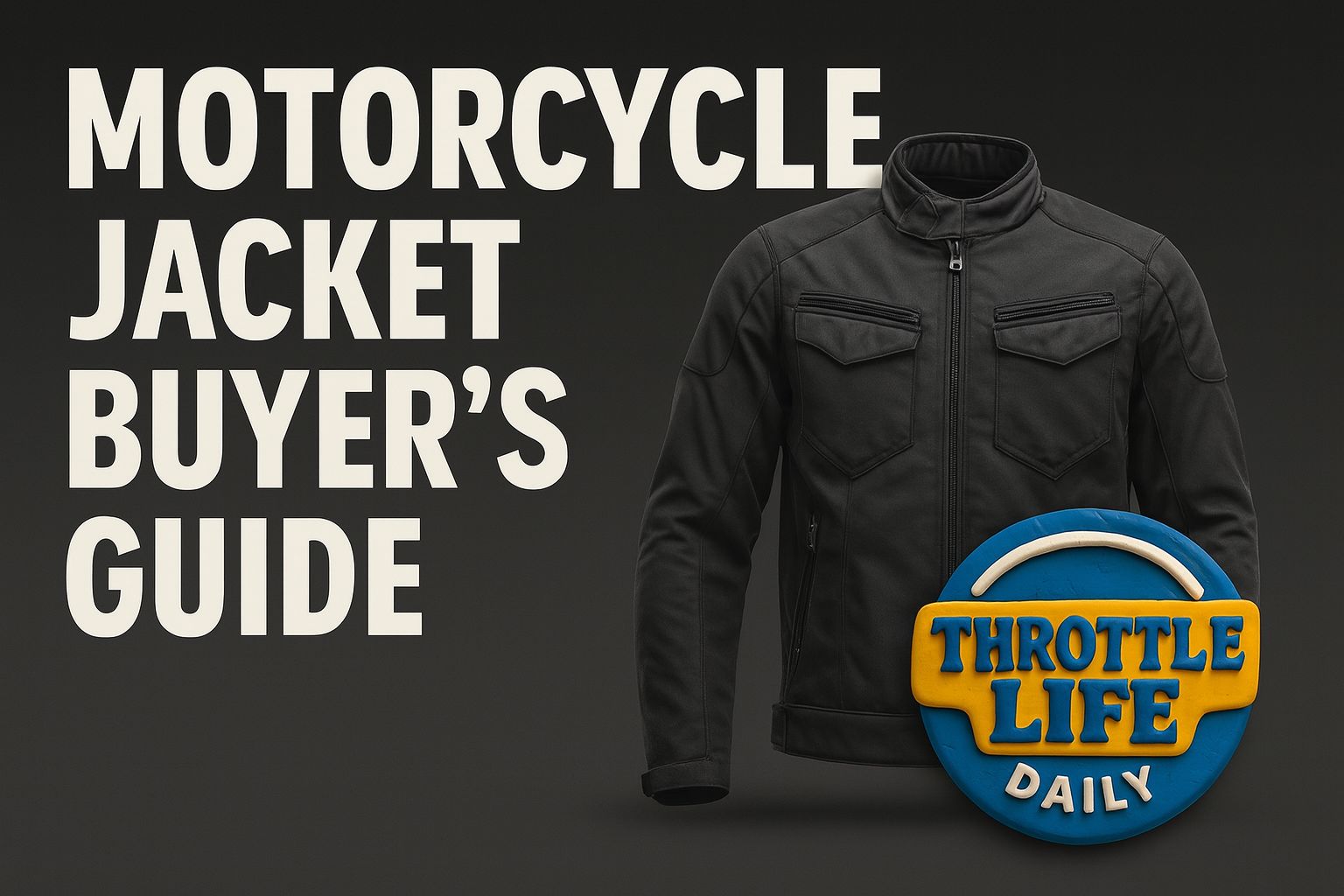
Choosing the right motorcycle jacket can feel overwhelming! Mesh vs. textile vs. leather… CE armor… airflow… fitments? and why does every size chart seems like it was designed by someone who’s never met a real human being before.
Listen, don’t worry. Whether you're commuting through Texas heat, carving backroads, or grabbing tacos on your bike, this guide can help you break down everything that you need to know, clearly and simply.
Let’s find you a jacket that fits your style, your safety, and your ride.
Jacket Types (What They Are & Who They’re For?)
Riding Shirts (Armored Flannels / Reinforced Shirts)
Best for: Casual rides, light commuting, hot weather
Protection: Light → Moderate
Good Seasons: Spring, Summer, Fall
Riding shirts look like normal flannels or work shirts but include Kevlar/aramid reinforcement and pockets for CE armor. They are lightweight, casual, and perfect for riders who don’t want a bulky jacket in the heat.
Pros: lightweight, breathable, casual-looking
Cons: less protective than full textile or leather
Mesh Jackets
Best for: Hot climates (Texas riders—you know the deal)
Protection: Moderate → High (depends on armor)
Good Seasons: Summer
Mesh jackets use heavy-duty airflow panels to keep you cool while still offering solid protection.
Pros: maximum airflow, lightweight, more protective than riding shirts
Cons: not ideal in cold or rain
Full Textile Jackets
Best for: All-season riding, commuting, touring
Protection: High
Good Seasons: Year-round (with liners)
These are the all-purpose workhorses: vents, waterproof membranes, thermal liners, storage pockets, and CE armor. They handle everything from heat to rain to cold.
Pros: versatile, protective, weather-resistant
Cons: bulkier, not always as stylish
Casual Leather Jackets
Best for: Everyday street riding, weekend trips
Protection: High
Good Seasons: Spring, Fall, Winter-with-layers
Classic leather never goes out of style—great abrasion resistance and long-lasting durability.
Pros: excellent protection, timeless look
Cons: hot in summer, heavy, not waterproof
Sport Leather Jackets (Race-Style)
Best for: Sportbike riders, aggressive riding, track days
Protection: Highest
Good Seasons: Spring, Fall
These jackets use thick race-grade leather, hard sliders, and a snug athletic cut. Many can zip to track pants.
Pros: top-tier protection, track-ready
Cons: stiff at first, hot, heavy
How a Motorcycle Jacket Should Fit
A motorcycle jacket should not fit like a normal casual jacket. Fitment affects both comfort and safety.
Shoulders
Armor should sit directly on top of your shoulders
If armor shifts when you move → too loose
If it crushes your traps → too tight
Sleeves
Longer than street jackets on purpose
When in riding position, sleeves should reach your wrists
Elbow armor must stay centered
Chest & Torso
Snug but not suffocating
No wind ballooning at highway speeds
You should fit a closed fist under the zipper (comfort test)
Waist
Should not ride up when leaning forward
Most jackets include adjustment straps for dialing in the fit
Back Length
Must cover your lower back in riding position
Should not bunch at the neck
Armor Position Test
Sit in your riding stance and check:
Shoulder armor: centered
Elbow armor: directly on the elbow, not forearm
Back protector: flat, not floating
If the armor moves more than you do, the jacket is the wrong size.
How to Choose the Right Jacket
1. Choose Based on Climate
Hot weather: Mesh or Riding Shirt
Mild weather: Casual Leather or Textile
Cold/wet weather: Full Textile
Aggressive riding / sportbikes: Sport Leather
2. Choose a Style You’ll Actually Wear
If you don’t like how it looks, you won’t wear it.
Simple.
3. Choose Your Armor Level
Look for:
CE Level 2 (best)
CE Level 1 (minimum)
Shoulder + elbow armor included
Back protector included or upgradeable
4. Check Ventilation
Texas riders—vents are not optional.
Closed vents = sweaty regrets at red lights.
5. Test It on Your Motorcycle
The most important step:
Sit on your bike
Lean forward like you ride
Check sleeve length and armor alignment
If it feels comfortable while riding, you’ve found the right one.
Sizing Tips (How to Get the Right Size Every Time)
1. Take Accurate Measurements
Use a soft measuring tape:
Chest (widest point)
Waist
Arm length
2. Understand Sizing Systems
European sizes: 48, 50, 52, etc.
US sizes: S, M, L, XL
They do not translate directly—always use the size chart.
3. Order Two Sizes if Unsure
Try one size up and one down.
Return the one that doesn’t fit your riding posture.
4. Leave Room (or Not) for Layers
If you ride in winter → leave space for a hoodie or thermal
If only riding in heat → go for a slightly snugger cut
5. Break-In Period
Leather jackets take 20–40 hours of riding to fully break in.
Textile usually fits right out of the box.
Final Daily Rider Advice
Don’t cheap out on armor. CE Level 2 is worth every penny.
Buy for the climate you ride in. Not the one you wish existed.
Be visible. Bright colors or reflective strips help a lot.
Fit matters more than the brand name.
If the armor doesn’t stay in place, return it.
A good jacket should protect you, keep you comfortable, and make you excited every time you throw a leg over the bike.
Please Subscribe to our weekly newsletter below by entering your email address.
If you want real-world breakdowns of the remaining bikes (not clickbait summaries), subscribe so you don’t miss the next installment.
Dave Nagel is the throttle-happy mind behind Throttle Life Daily, where motorcycles aren’t just a hobby—they’re a daily lifestyle. With years of two-wheeled experience and a talent for storytelling, Dave turns everyday rides into road-tested wisdom, gear reviews, and hilariously relatable moto-adventures.
Disclaimer
This article is intended for general informational and entertainment purposes only and does not constitute professional mechanical or aftermarket part advice. For the most accurate, up-to-date, and model-specific information regarding recalls, service bulletins, products, and safety advisories, please refer directly to the product manufacturer or contact your nearest authorized dealership. Always follow manufacturer recommendations and NHTSA guidelines. The author assumes no liability for actions taken based on the content of this article.