- Throttle Life Daily
- Posts
- Motorcycle Tire Safety
Motorcycle Tire Safety
What Every Rider Needs to Know

Diamond Dave
September 09, 2025
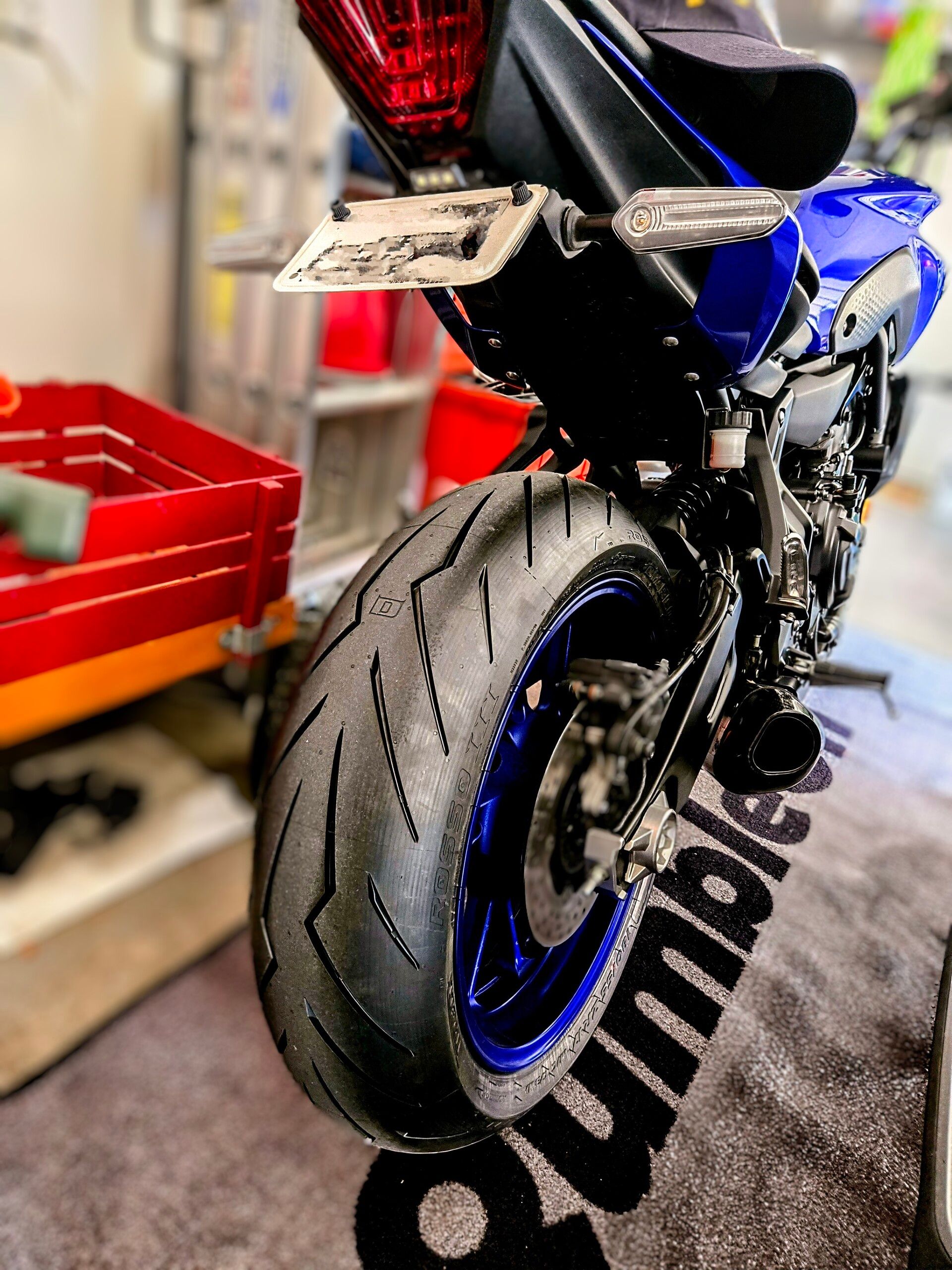
Your tires are the only thing connecting you to the road. Two small contact patches about the size of your palm are what keep you upright, stable, and safe. Yet too many riders forget about them until it’s too late.
Today, let’s break down how to inspect your motorcycle tires: when cracks become dangerous, how much tread is enough, whether plugging is safe, how to read tire age, and when replacement is non-negotiable.
🔎 Cracks in the Rubber: Harmless or Hazardous?
Tires naturally develop small surface cracks over time, especially if exposed to sun, ozone, or poor storage conditions.
Fine hairline cracks: Early warning signs, not immediately dangerous, but rubber is drying out.
Deep cracks in sidewalls or across tread: Unsafe. Replace immediately—risk of blowout.
👉 Rule of thumb: if cracks expose cords or are wide enough to catch a fingernail, the tire’s done.
📏 Tread Depth: How Much is Enough?
Unlike car tires, motorcycle tires don’t start with much tread. New tires usually have 5–7 mm.
Penny test: If Lincoln’s head is fully visible, you’re below 2/32” → unsafe.
Wear bars: Replace when tread is flush with them.
Wet-weather riders: Replace earlier, around 3/32”–4/32”.
💡 Pro Tip: Don’t wait until you’re legally bald. Fresh tread = better grip and shorter stopping distance.
🛑 Plugging Motorcycle Tires: Should You Do It?
This is controversial in every garage.
Small punctures (nails/screws): A plug can get you home, but it’s temporary only.
High-speed/long rides: Plugs can fail from heat + centrifugal force.
Best practice: Replace the tire or have it professionally patched inside.
🚫 Never treat a roadside plug as a permanent fix.
📅 Reading Tire Age: The DOT Code
Even with great tread, old rubber is dangerous. Tires harden with time, losing grip.
Find the four-digit DOT code on the sidewall.
Example:
3519= 35th week of 2019.Three-digit codes = pre-2000 → replace immediately.
⏳ When to Replace Your Tires
Here’s the bottom line:
5–6 years old: Replace, even with good tread.
Deep cracks: Replace.
At wear bars: Replace.
Plugged tires: Replace (or patch properly if very new).
New rubber = new confidence.
✅ Final Takeaway
Motorcycle tires aren’t just “another part.” They’re life-critical equipment. A quick inspection before rides—checking tread, age, and cracks—could save your life.
If in doubt? Replace. Tires are always cheaper than hospital bills.
💬 Question for you:
When was the last time you checked the DOT date code on your tires? Drop your answer below—I bet some of you will be surprised.
Dave Nagel is the throttle-happy mind behind Throttle Life Daily, where motorcycles aren’t just a hobby—they’re a daily lifestyle. With years of two-wheeled experience and a talent for storytelling, Dave turns everyday rides into road-tested wisdom, gear reviews, and hilariously relatable moto-adventures.
⚠️ Disclaimer
This article is intended for general informational and entertainment purposes only and does not constitute professional mechanical or aftermarket part advice. For the most accurate, up-to-date, and model-specific information regarding recalls, service bulletins, products, and safety advisories, please refer directly to the product manufacturer or contact your nearest authorized dealership. Always follow manufacturer recommendations and NHTSA guidelines. The author assumes no liability for actions taken based on the content of this article.